
Nordic Pace Bone Health
Who writes Nordic Pace Bone Health
Nordic Pace is a UK information site about calcium, vitamin D and the everyday habits that support bone health. We publish plain-language guides, we name the figures UK public-health sources use, and we keep commercial supplement language out of the copy.

What this site is for
The site exists to answer a short list of practical questions. How much calcium do UK adults need? How much vitamin D, and when? Which foods actually contribute? What does a supplement do that food does not?
Not a clinic
We are not a clinic, and we do not offer diagnosis or treatment. If a question needs your medical history, we say so and point you to a GP or pharmacist.
For general joint and bone comfort topics, including natural joint care and strong and healthy joints, our pages keep the language practical: what a nutrient does, which foods carry it, and what a daily capsule format can and cannot be expected to do. Anything that needs your own medical history gets routed to your GP or pharmacist, not to a product page.
The two figures we work from
700mg
Calcium, most adults
10µg
Vitamin D, daily
Every page starts from the same two figures and works outward to food, habits and supplement format. If you want the shorter walk-through first, start with Bone Health Basics and the numbers live on that page in full.
Where our figures come from
We work from UK public-health material rather than our own estimates. That means every number on this site can be traced back to a source a reader can open.
Where a figure applies only to one group of people, we say which group. Where sources name a food rather than a number, we say that too. The aim is that you can check us rather than trust us on the strength of a headline.
Source family
What we take from it
NHS Inform — bone health and falls
Daily calcium and vitamin D figures, and how falls risk relates to bone strength
NHS Somerset — bone health resources
Everyday food-first framing, and how guidance reads for people cooking at home
NHS 111 Wales — osteoporosis guidance
Which adults the vitamin D recommendation covers, and when a GP conversation is the right next step
Regional NHS bone-health leaflets, including NHS Highland
Lifestyle advice on movement, daylight and diet that sits alongside the numbers
Note on figures
Where the same recommendation appears across several sources, we quote the version that states the number plainly and note the group it covers. That is how 700mg of calcium for most adults and 10 micrograms of vitamin D daily reach our pages.
The full calcium and vitamin D numbers, including the groups where the advice differs, are walked through in the Calcium & Vitamin D Guide.
How we select material
We prefer guidance that states a number, names a food or describes a practical action. Advice that cannot be checked against a source tends not to appear here.
Where sources differ, we describe the difference rather than picking the more dramatic version. Bone health guidance in the UK is unusually consistent, so disagreements are rare and usually about which groups a recommendation covers. When we find one, we explain both readings side by side and tell you which sources say what.
States a number
Milligrams, micrograms and portion guidance get written down, not paraphrased.
Names a food
If a nutrient matters, we say which everyday food on a UK table carries it.
Describes an action
Daylight, movement and routine count when guidance says so, and we treat them as real advice.
Shows the group
If a figure applies to one age range, season or situation, we label that rather than generalise.
Keeps the diff
When two sources disagree, the page explains the difference instead of choosing a side.
No dramatic version
A calm sentence beats an alarming one when the underlying guidance is calm.
What we deliberately leave out
We do not publish testimonials, user reviews, star ratings or before-and-after stories. We do not claim that any product restores joints, removes pain or produces fast results, because those claims are not supported and would not pass advertising review.
If you see a bone or joint product site making those promises, that tells you something about how it is being sold. We would rather be the site that explains what 10 micrograms means.
Our supplement coverage
We write about supplements because vitamin D supplementation is genuinely recommended for many UK adults. That is a factual part of the guidance, not an affiliate angle.
What we do not do is rank products, quote prices or push a specific brand. There is no shop on this site and no comparison table that funnels you toward a purchase. The supplement page is about reading labels and understanding what a daily product can reasonably do as part of a diet that already covers the basics.
When supplement formats come up — capsules, drops, tablets, sprays — we describe where they differ in a practical way: what the label should tell you, how a daily dose is expressed, and why the format matters less than knowing your own starting point.
Where to continue
Choosing a Supplement covers label reading and daily format, and Daily Habits & Lifestyle covers the daylight and movement side of the same picture.
Calcium
700mg
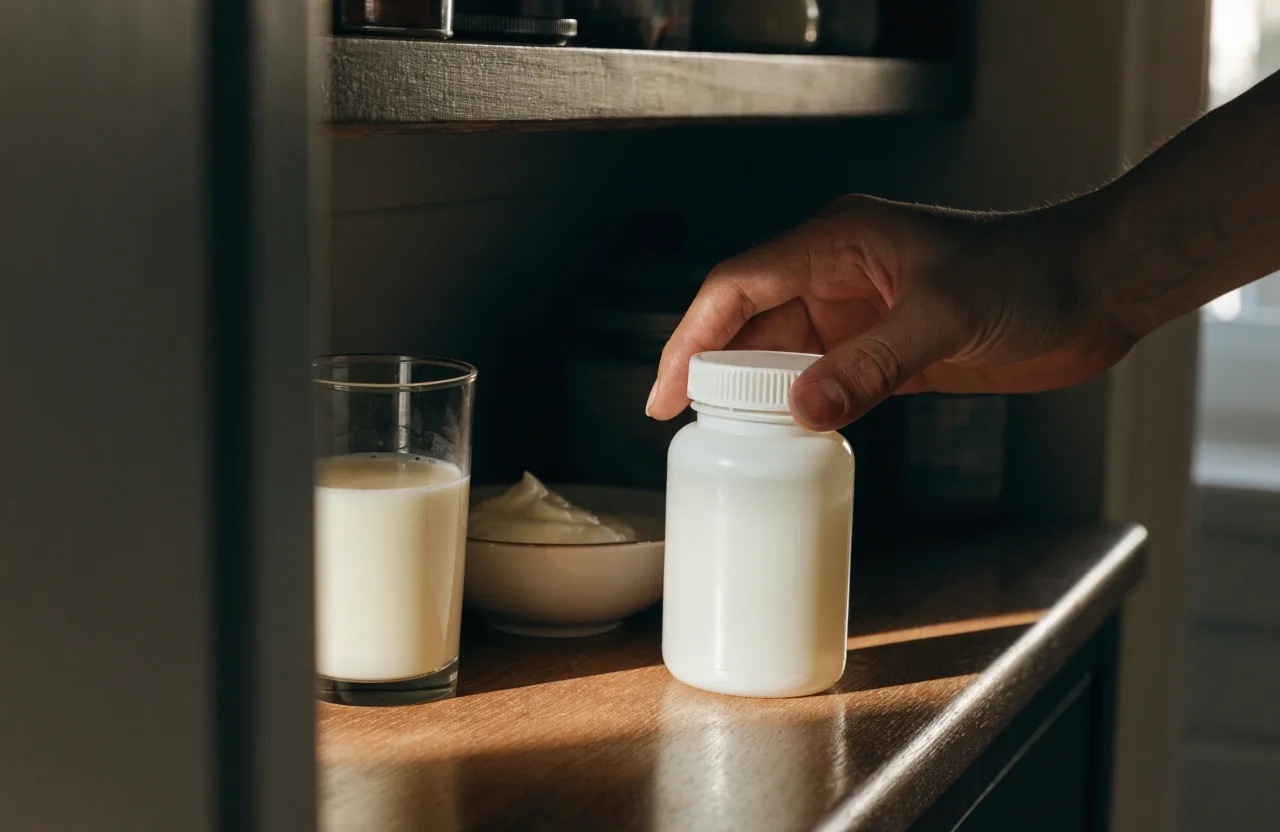
A daily target most UK adults can meet from milk, yoghurt, cheese, fortified plant drinks, tinned fish with soft bones and dark leafy greens.
Vitamin D
10µg
Given as a daily figure for most adults in the UK, which is why a supplement is covered here rather than dismissed.
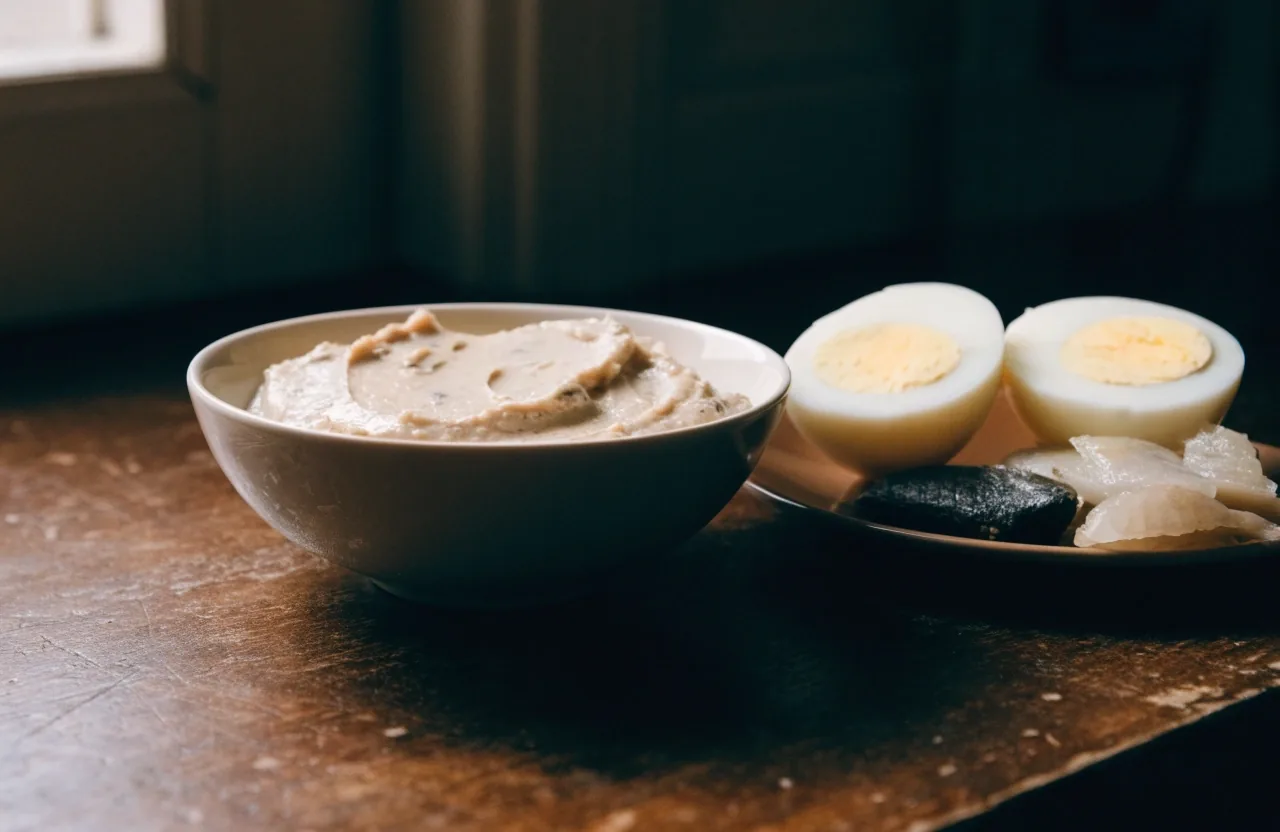
Food first does not mean food only. It means knowing what eggs, oily fish and fortified spreads already give you before deciding whether a daily capsule adds anything.
Editorial checks and corrections
Every guide is checked against the public-health sources it cites before publication, and again when guidance changes. If a number moves, we update the page rather than leaving the old figure in place.
If you spot something that looks wrong, tell us. Reports of inaccuracy get priority over general enquiries.
Check
What happens
Before a guide goes live
Each figure and food claim is matched to the source it came from
When public guidance changes
Affected pages are revisited and the number is replaced, not annotated
When a reader reports an error
Corrections come ahead of general enquiries in the queue
When a source is retired
We move to the current UK guidance and say which page changed
Funding and independence
The site is funded by its own operation and does not sell supplements or take payment for product placement. That is why there is no shop here and no product comparison table.
Editorial decisions are made on the basis of the guidance we work from. If that ever changes, it will be stated on this page rather than buried in a footer.
You can write to us at [email protected] or from 48 Fenchurch Street, London EC3M 3LY, Monday to Friday between 9:00 AM and 6:00 PM. Corrections, topic suggestions and questions about the content all reach the same inbox.
Tell us what we should cover next
Use the contact page for corrections, topic suggestions or questions about the content. We read everything that arrives through the form, even when a reply is not needed. If your question is about your own health or medication, please speak to your GP or pharmacist — we cannot give individual medical advice, and we will not pretend otherwise.