
Daily habits and lifestyle
Daily habits that help your bones over time
Diet covers the raw materials. Habits decide whether they get used. Sunlight, movement, protein and a steady routine all show up in UK bone-health guidance, and none of them demand more than a small amount of planning.

Small, repeatable, ordinary — the shape most bone habits actually take.
Aim for
10 µg
vitamin D daily, which carries the UK winter
Protein
Each meal
one source per main meal, no counting needed
Checking the nutrient side first? The calcium and vitamin D guide goes through the numbers behind these habits.
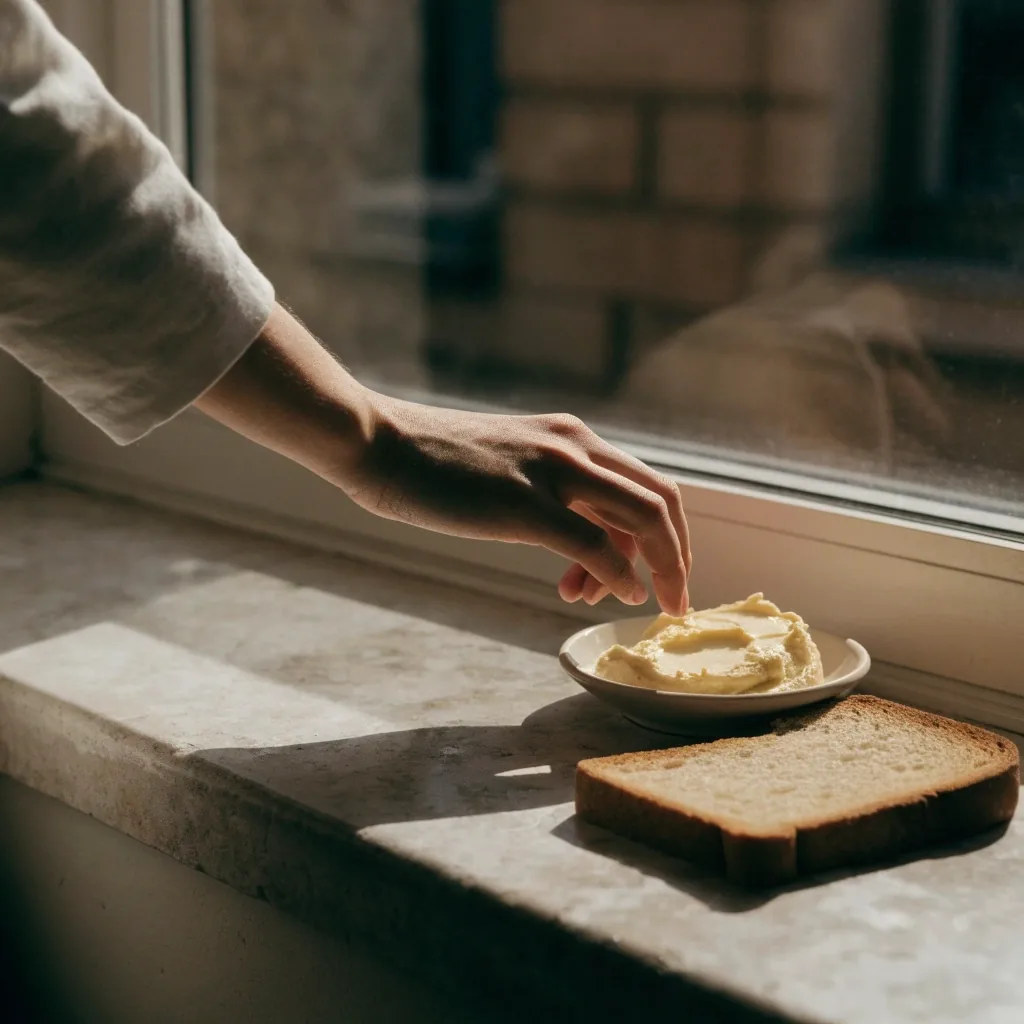
The word that matters is short
You are not trying to tan, and burning works against you.
Sunlight: useful, seasonal and easy to overthink
UK guidance names short daily sun exposure without sunscreen as a vitamin D source. In practice that means a few minutes outdoors around the middle of the day, with forearms or face exposed, on the days the sun is strong enough to matter.
April to September
Short daily exposure is the route. A walk at lunchtime usually covers it, and you decide how long feels sensible for your own skin.
October to March
In the UK this route largely closes. That is why the 10 microgram daily vitamin D recommendation carries the winter months.
Worth knowing: a bright window does not replace time outdoors, and sunbeds are not a substitute. If you take medication that makes your skin sensitive, or you have a history of skin problems, ask your GP before changing anything about sun exposure.
Movement that loads the bone
Bone responds to load. Walking, stair climbing, carrying shopping and standing rather than sitting all send the signal that the skeleton needs to stay strong. It does not require a gym, though resistance training adds more. If you are already active, keep it varied; if you are not, start with what you will actually repeat.
Everyday movement
What it does for your bones
A daily walk, any length
Loads the legs and hips, and keeps the muscle strength that steadies you
Stairs, hills and carrying shopping
Increases the load compared with walking on the flat
Standing rather than sitting through the day
Keeps some load on the skeleton instead of handing it all to the chair
Resistance training, once or twice a week
Adds load and builds the muscle around the joint
Balance work for older adults
Reduces the risk of a fall that undoes a lot of good
The bone health basics page explains what bone turnover is doing by the time this load matters, if you want the background.
Protein at each main meal
Protein provides the collagen framework in bone, and intake tends to fall just when it matters more. Appetite drops with age, and so does the amount on the plate unless someone is paying attention.
A simple rule: put a protein source in each main meal. Eggs at breakfast, fish or beans at lunch, meat, dairy or pulses at dinner. That pattern covers most people without counting anything.
A pattern, not a formula
Breakfast: eggs, or yoghurt with oats. Lunch: oily fish, beans or lentils. Dinner: meat, dairy, eggs or pulses. Snacks are optional; if you add one, cheese and a handful of nuts fit the same shape.
If your appetite is poor, you have kidney disease, or you are recovering from illness, ask your GP or a dietitian rather than adjusting protein on your own.
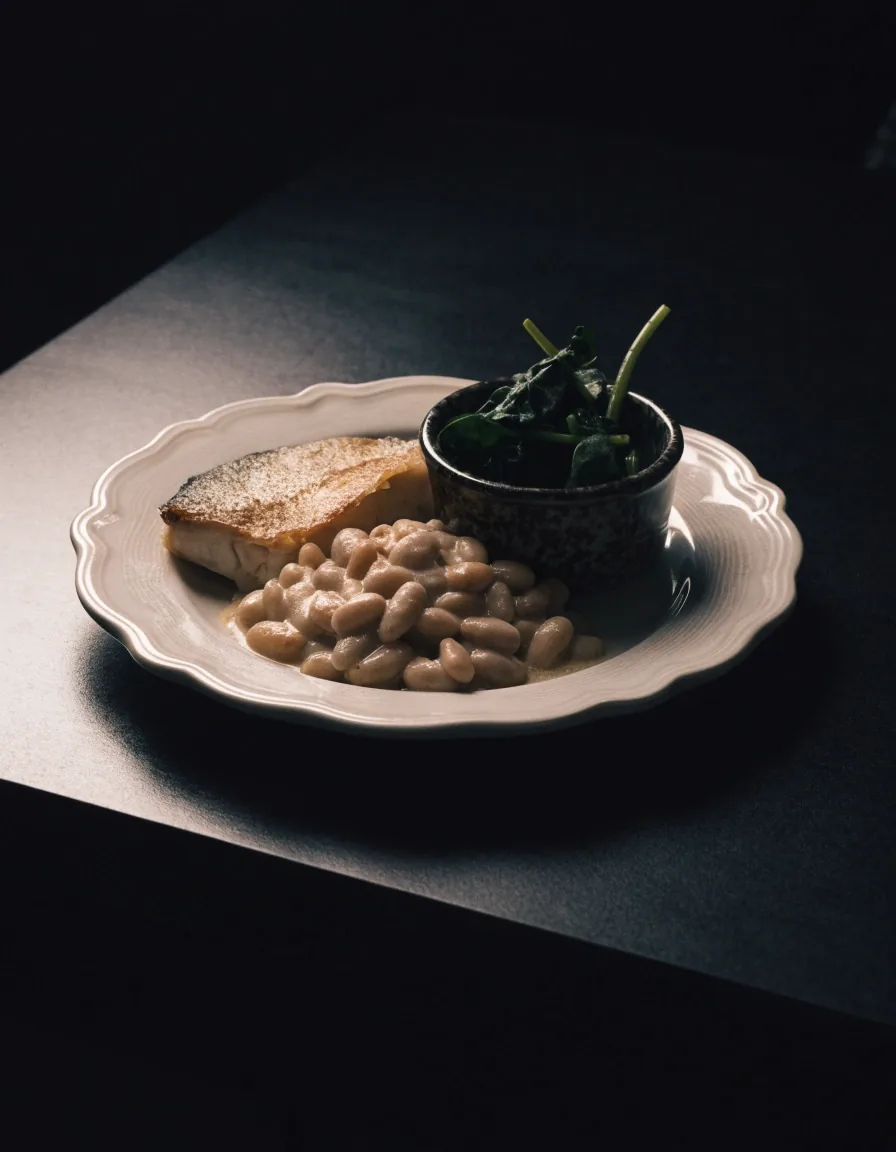
On the plate
Fish, beans and a green vegetable — protein and a calcium source in one meal.
Routine beats intensity
Bone health is a decades-long project, so consistency is the whole game. Ten minutes of walking most days outperforms one long weekend session, and a yoghurt every morning does more than an occasional health kick.
Pick habits that survive a bad week. If your routine collapses when work gets busy, it was too ambitious to begin with — and the fix is almost always to shrink it, not to restart harder.
Smoking, alcohol and the things that work against you
Smoking is associated with weaker bone over time, and heavy alcohol intake works against bone as well. These are not subtle effects, and they are two of the few factors entirely within your control. Cutting back is worth doing for reasons well beyond bone health, and a GP can point you to support if you want it.
This is one area where the advice has been stable for years, which usually means it is worth taking at face value.
Weight, movement and fall prevention
Being underweight is a risk factor for bone problems, and so is losing muscle mass. Carrying excess weight adds load, but it does not substitute for strength or balance work.
For adults over 65, balance and strength exercises are worth more attention than they usually get. They reduce fall risk, and a fall is often what turns a slow decline into a sudden problem.
If you are recovering from a fracture or you have been told you have low bone density, follow the plan your clinician gave you before changing your activity on this page. The supplement page covers how to compare formats if you are also considering a capsule.
Sleep, stress and the boring parts
Sleep and stress affect almost everything, and bone is not exempt. Neither has a dramatic single mechanism worth dwelling on, but a routine that protects sleep tends to protect the rest of the day too.
This is where the advice gets unglamorous. Regular meals, a consistent bedtime and a walk outdoors cover more ground than most supplements on the shelf. None of it is exciting, and all of it is repeatable — which is the point.
Putting a week together
That is a week most people can run without thinking about it, and it covers what UK guidance actually recommends. Print the shape, pin it up, and stop negotiating with yourself every morning.
If a line does not fit your week, swap it for one that does. A habit you keep at 60% beats a plan you abandon in ten days.
Locking in the nutrient side? The calcium and vitamin D guide goes through the numbers behind each line.
Most days
A walk of any length, plus a few minutes outdoors around midday when the weather allows.
Three meals
A protein source at each one, and a calcium source at breakfast and again later in the day.
Daily
Vitamin D at 10 micrograms through the winter months.
Twice a week
Strength or balance work — stairs, carrying, or a short resistance session if it is available to you.
Every evening
A regular bedtime you do not argue with, and a meal at roughly the same hour as the day before.
Questions that come up
Three things readers ask most often about the habits on this page. If your situation is different from the general case, it is worth speaking to your GP rather than working it out from a web page.
How much sun do I need for vitamin D in the UK?
Guidance refers to short daily exposure without sunscreen. In practice, a few minutes outdoors around midday in the warmer months, with the understanding that this route does not work through a UK winter.
Does walking count as bone exercise?
Yes. Walking loads the bones in your legs and hips, and it supports the muscle strength that helps with balance. Adding stairs or hills increases the load, and doing it most days matters more than doing it hard once.
How much protein do I need?
Enough to include a source at each main meal. If your appetite is poor, or you have kidney disease, talk to your GP or a dietitian rather than adjusting on your own.
Do I still need a supplement if I eat well?
Food first is the starting point. Vitamin D at 10 micrograms over winter is the one UK guidance recommends for most people in addition to diet, and that is what the calcium and vitamin D guide covers in detail.
Start with one habit you can keep through a bad week
Bone habits operate over decades, so pick the one that survives a busy fortnight: a walk after lunch, protein at breakfast, or a vitamin D tablet with the morning kettle. Everything else can wait until that one is automatic.

Food first
Everyday foods carry most of what your bones need; a supplement fills a specific gap rather than replacing the plate.